
In the world of artificial processes, heat transfer is a pivotal aspect of icing effectiveness, safety, and optimal performance. Among colorful heat exchanger types, shell and tube heat exchangers stand out as protean, dependable, and extensively used. This composition explores the design, working principle, advantages, operations, and conservation of shell and tube heat exchangers, fastening on results handed by Courtney & Nye.
What Is a Shell and Tube Heat Exchanger?
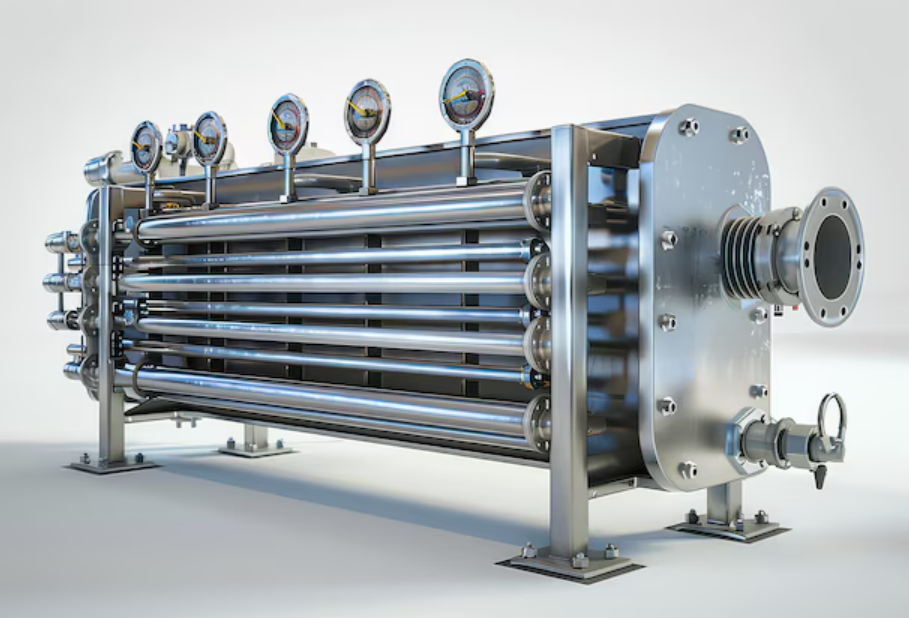
A shell and tube heat exchanger is a type of device designed to transfer heat between two fluids. One fluid flows through a series of tubes while the other fluid flows around the tubes within an enclosed shell. This design allows effective heat exchange between hot and cold fluids without mixing them.
Courtney & Nye specializes in artificial-grade shell and tube heat exchangers, offering results suitable for high-pressure, high-temperature, and chemically aggressive surroundings. Their designs insure continuity, effectiveness, and long functional life.
How Shell and Tube Heat Exchangers Work
The introductory factors of a shell and tube heat exchanger include:
Tubes – Where one fluid overflows and transfers toast.
Shell – The external covering containing the alternate fluid.
Tube Wastes – Plates that hold tubes in position.
Baffles – Attendants that direct fluid inflow and ameliorate heat transfer effectiveness.
Snoots and End Caps – Inlet and outlet points for fluids.
The working principle is straightforward: one fluid enters the tubes (tube-side), while the alternate fluid flows around the tubes in the shell (shell-side). Heat is transferred from the hot fluid to the cold fluid through the tube walls, either heating or cooling the fluids depending on the process demand.
Flow Arrangements Can Vary
Counterflow – Fluids move in contrary directions, offering maximum heat transfer effectiveness.
Resemblant Inflow – Fluids move in the same direction, simpler but less effective.
Crossflow – Fluids move vertical to each other, frequently used in specific artificial designs.
Courtney & Nye shell and tube exchangers can be configured to accommodate all inflow arrangements, optimizing heat transfer for colorful artificial requirements.
Advantages of Shell and Tube Heat Exchangers
Shell and tube heat exchangers offer several advantages, making them a favored choice in numerous diligence:
High Heat Transfer Effectiveness
Maximum face area contact between the fluids enables effective heat transfer even in high-temperature operations.
Versatility in Design
Can handle a wide range of pressures, temperatures, and fluid types, including sharp and high-density fluids.
Easy Conservation
Tube pack can frequently be removed for drawing or relief, reducing time-out.
Courtney & Nye designs include easy-access tube packets and end caps for quick conservation.
Continuity and Trustability
Robust construction accoutrements like pristine sword, carbon sword, and specialized blends resist erosion, corrosion, and thermal stress.
Scalability
Suitable for both small-scale operations and large artificial shops, making them largely adaptable.
Common Industrial Applications
Shell and tube heat exchangers are necessary across multiple diligence due to their effectiveness and versatility. Some common operations include:
Chemical and Petrochemical Diligence
Heating, cooling, condensation, and evaporation of chemicals.
Ideal for handling aggressive chemical fusions, acids, and detergents.
Oil Painting and Gas Assiduity
Essential in crude oil painting refining, gas processing, and petrochemical operations.
Furnish heat recovery and temperature regulation.
Power Shops
Boiler feedwater heating, cooling of turbine oil painting, and condenser operations.
Contribute to overall factory effectiveness.
Food and Beverage Processing
Applied in pasteurization, sterilization, and refrigeration processes.
Hygiene and temperature control are critical.
HVAC and Refrigeration
Used in chillers, air exertion units, and other climate control systems.
Transfer heat efficiently and maintain asked temperatures.
Design Considerations for Industrial Efficiency
When opting a shell and tube heat exchanger, certain design considerations are pivotal for optimal performance:
Material Selection
Depends on fluid parcels, temperature, and chemical comity.
Stainless sword is common for sharp fluids, while carbon sword is used for standard operations.
Tube Layout and Periphery
Tube periphery, consistence, and pitch affect heat transfer effectiveness and pressure drop.
Courtney & Nye customizes tube configurations to maximize performance for specific processes.
Baffle Design
Companion fluid inflow and increase turbulence, perfecting heat transfer.
Correct cocoon distance reduces vibration and corrosion while enhancing thermal effectiveness.
Thermal Expansion
Differences in temperature between the shell and tube sides can beget expansion stress.
Ultramodern designs incorporate floating or fixed tube wastes to accommodate thermal movement.
Conservation Availability
Designs that allow easy junking of tube packets, examination, and drawing minimize time-out and ameliorate functional effectiveness.
Conservation and Life
Proper conservation is essential to insure the long-term trustability of shell and tube heat exchangers:
Regular Drawing – Helps fouling and scaling inside tubes, which can reduce heat transfer effectiveness.
Examination of Tubes and Shell – Check for erosion, corrosion, and leaks.
Monitoring Pressure and Temperature – Descry unusual drops or harpoons that may indicate blockages or damage.
Seal and Gasket Conservation – Replace worn seals to help leaks and maintain safety.
Cocoon and Tube Distance Checks – Insure structural integrity to avoid climate or tube damage.
Courtney & Nye provides designs with easy conservation access, making routine examinations and drawing straightforward and time-effective.
Inventions in Ultramodern Shell and Tube Heat Exchangers
Ultramodern shell and tube heat exchangers have incorporated several inventions to enhance performance:
Enhanced Tube Shells – Finned or corrugated tubes increase face area and ameliorate heat transfer.
High-Effectiveness Flow Paths – Optimized cocoon arrangements reduce pressure drop while maintaining turbulence for better heat exchange.
Advanced Accoutrements – Erosion-resistant blends and coatings for long-term continuity in aggressive surroundings.
Digital Monitoring – Detectors for temperature, pressure, and flow allow prophetic conservation and real-time performance shadowing.
These advancements make shell and tube heat exchangers from Courtney & Nye largely effective, dependable, and suited for ultramodern artificial demands.
Conclusion
Shell and tube heat exchangers are fundamental components in industrial heat transfer systems, providing versatility, efficiency, and reliability. Complementing these heat exchangers, Nash vacuum pumps deliver dependable vacuum generation for various industrial processes, ensuring seamless operation and optimized system performance.
Capability to handle different fluids, high pressures, and temperatures makes them ideal for chemical, petrochemical, power, food, and HVAC diligence.
Courtney & Nye has meliorated the design and engineering of shell and tube heat exchangers, icing long-lasting performance, easy conservation, and optimal heat transfer effectiveness.
Understanding their design, advantages, and operations allows diligence to elect the right heat exchanger, reduce functional costs, and maintain smooth process operations.
Investing in a dependable shell and tube heat exchanger is essential for artificial effectiveness, and Courtney & Nye continues to give robust results that meet the complex demands of ultramodern engineering processes.



Write a comment ...